


Plan Kindly, Move Kindly
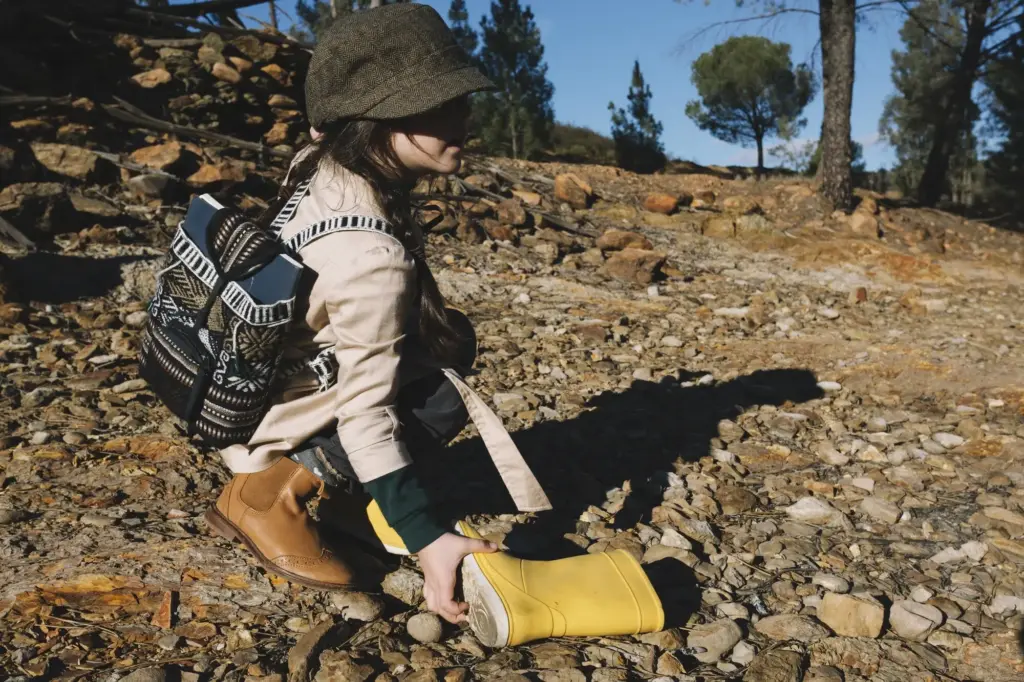
Begin with a check-in about comfort, goals, and energy for the day. Agree on a no-rush pace and natural stopping points. Share location with trusted contacts. Encourage honest feedback during the visit, not only afterward. Validate each person’s preferences about crowds, noise, and terrain. Kindness turns minor snags—like a missed bus or steep spur—into collaborative puzzles that deepen trust, laughter, and confidence while keeping the outing focused on shared ease and delight.
Share Roles Without Stress
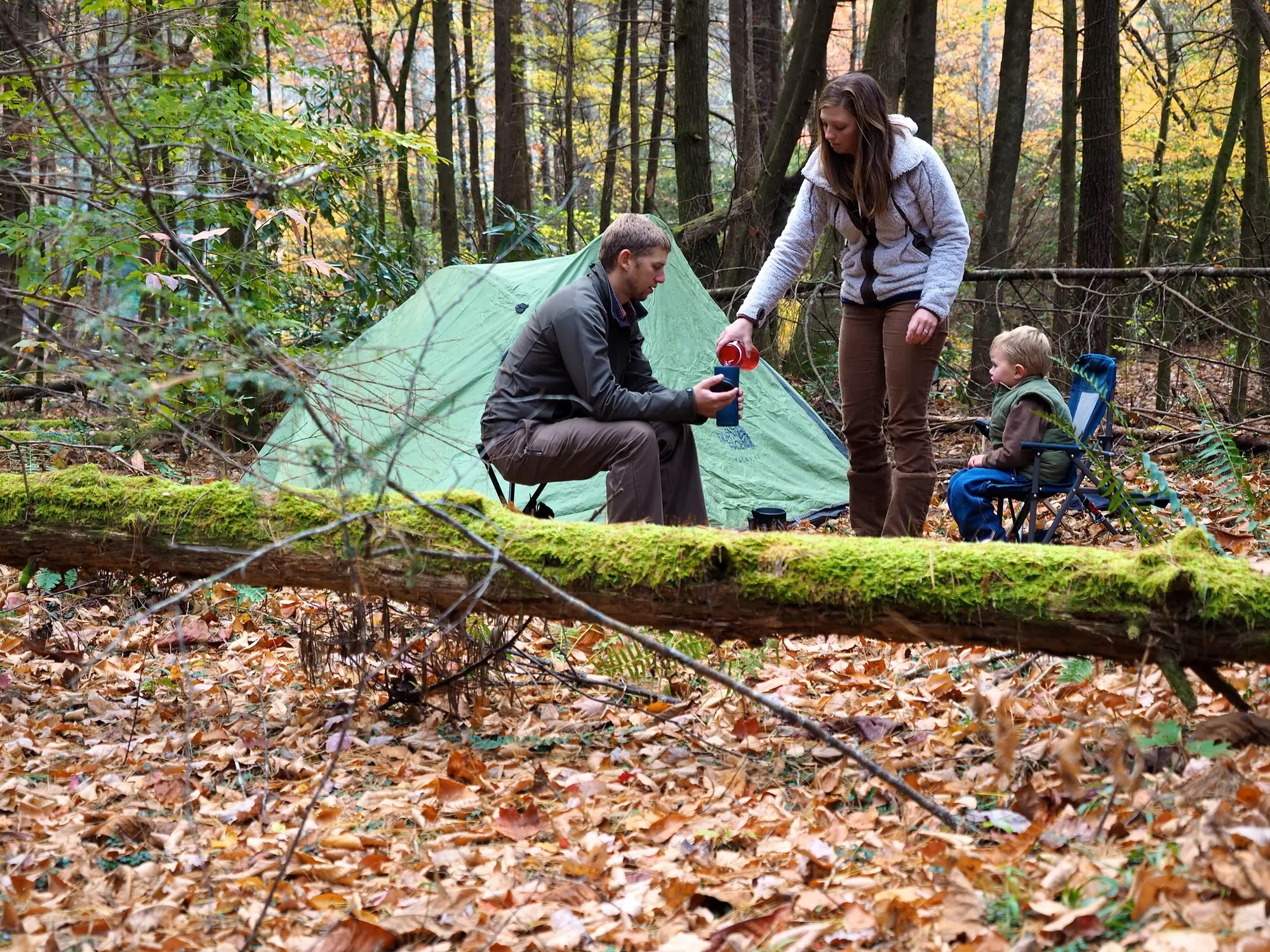
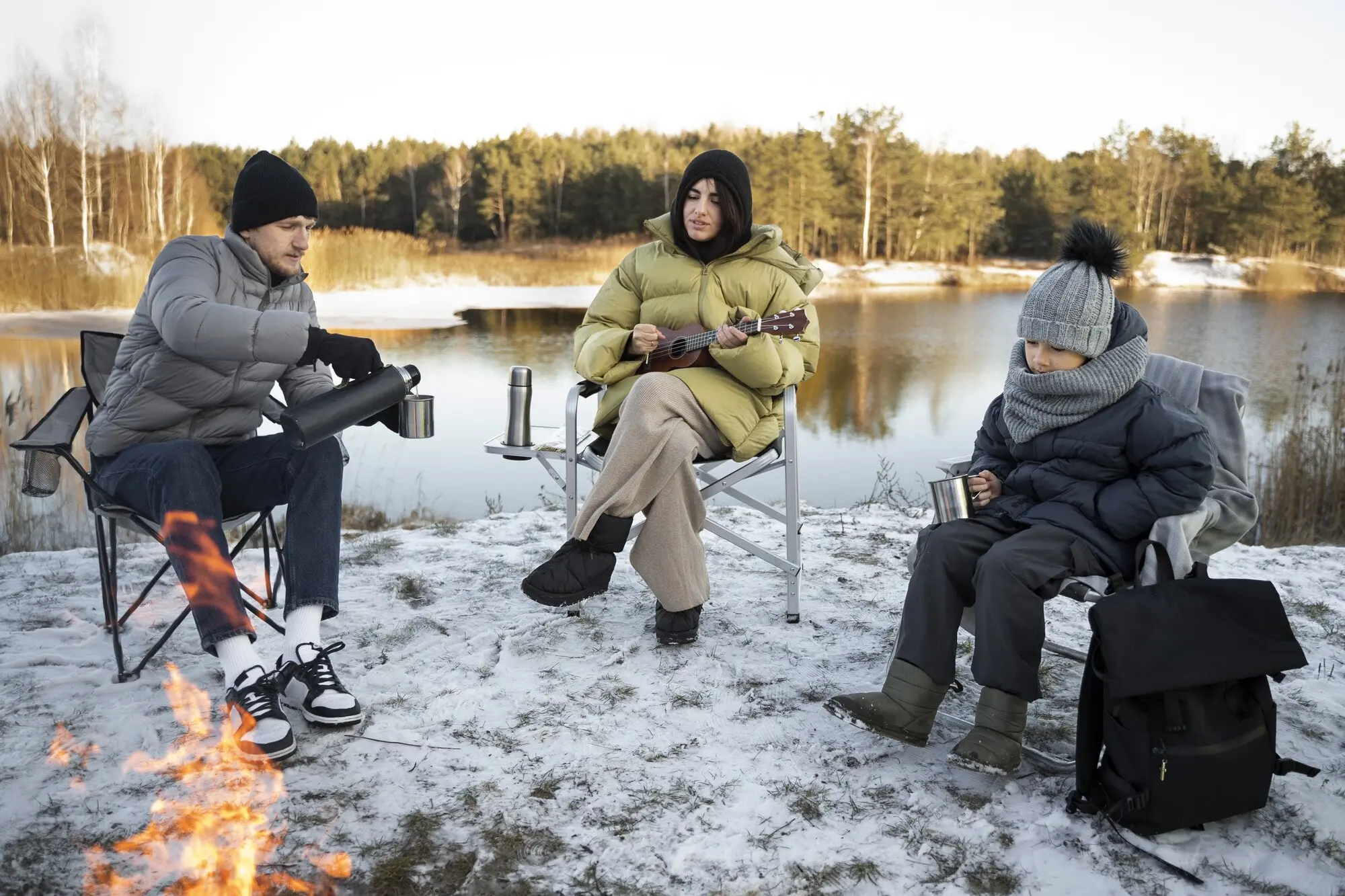
Distribute small tasks: one person tracks service alerts, another manages snacks and refills, someone else scouts seating. Rotate roles so no one burns out. Agree in advance about photographs and privacy. When responsibilities are clear but light, there’s more room for spontaneity—an unexpected bird sighting, a calm detour to a garden bench, a longer pause at a lakeshore. Collaboration keeps energy even and helps every person feel essential to the experience.
Tell Your Story, Improve the Next Visit
Share a quick note with park staff about barriers you met and great touches that helped. Post tips to community groups to guide others—step-free entrances, quieter hours, or overlooked benches with gorgeous views. Consider joining accessibility volunteer days or advisory circles. Subscribe for updates here, comment with questions, and request deep dives on routes in your city. Your feedback shapes future guides, sparks improvements, and helps more visitors say yes to nature.