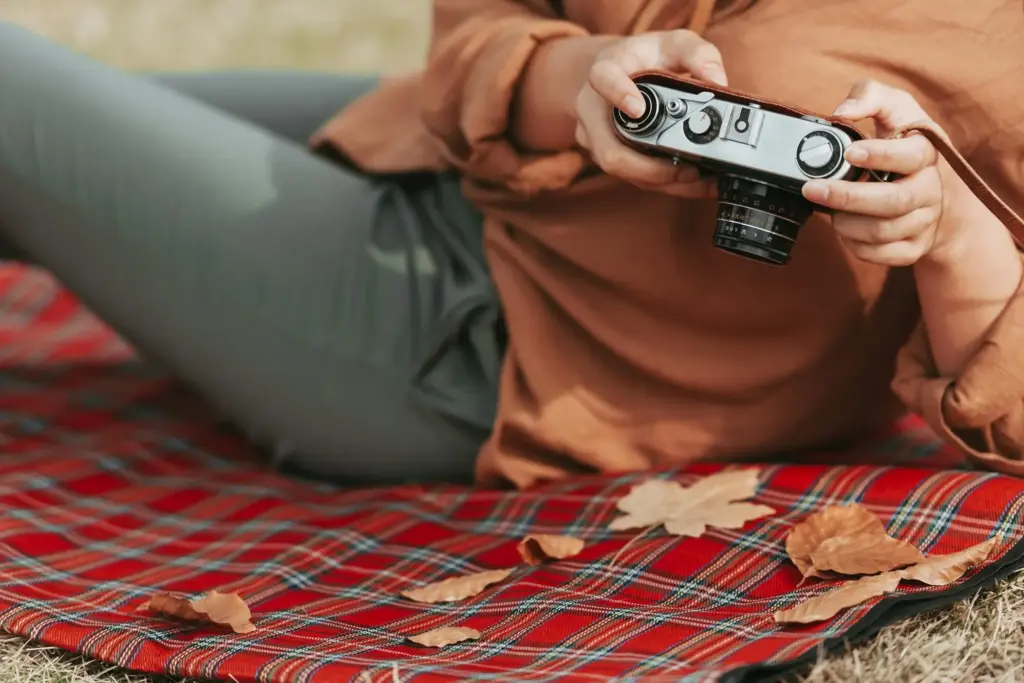
Step Off the Train, Step Into the Frame
Today we set out on photography walks devoted to capturing iconic park shots starting from trailheads you can reach by train, tram, bus, or ferry. We will sync timetables with golden hour, travel light, and discover compositions near stations, proving inspiring landscapes can be just a few stops away. Bring curiosity, comfortable shoes, and patience; the city’s network becomes your shuttle to viewpoints, boardwalks, and meadows you might have overlooked until the doors slid open and the platform gave way to sky.
Map Your Journey Before the First Step
Smart planning turns a casual outing into a rewarding photographic walk. Study transit maps, service alerts, and last‑mile paths to pick trailheads with reliable return options and amenities. Mark restroom locations, elevation changes, and sunset angles, then build your shot list around transfer points. When the schedule aligns with light, you save energy for creativity rather than clock‑watching, making room for detours, quiet overlooks, and unexpected details framed by path edges, benches, and old stairways near the station.
Light, Weather, and Timing for Transit-Friendly Trails
Transit gives you flexibility to chase light without parking stress, but weather becomes your conductor. Track microclimates around lakes, ridgelines, and coastal parks that sit a few stations apart yet behave like different worlds. Cloud edges arriving with the next inbound train can paint skies unexpectedly. Learn to love layered forecasts, shifting mist, and the way platforms frame distant peaks. When schedules and storms converse, your frames gain drama, depth, and relief from harsh midday glare.
Gear That Travels Light
On buses and trains, considerate packing matters as much as image quality. Choose a compact kit that slips beneath a seat and keeps your hands free for handrails and tickets. Prioritize a versatile zoom, a fast prime, a light filter set, and something for stability that is not a full tripod. Protect lenses with microfiber wraps, keep snacks flat, and avoid jangling accessories. Comfort and courtesy reduce friction, preserving energy for noticing fleeting light near the trailhead.
The Two-Lens Transit Kit
Pair a small wide‑to‑normal zoom for vistas and a fast 35mm or 50mm for low light, portraits, and intimate textures. This combination covers boardwalk panoramas, fern‑lit gullies, and candid silhouettes on ridge benches. Add a circular polarizer for reflections, a soft‑edge ND grad for skies, and a protective rain sleeve. Keep batteries warm in a pocket, memory cards labeled, and cleaning tools accessible so each stop feels nimble rather than encumbered.
Stability Without a Tripod
Stabilize by bracing elbows against station pillars, resting the camera on a backpack, or using a compact clamp on a railing where permitted. A lightweight monopod doubles as a walking stick and balance aid on stairs. Practice controlled breathing, shoot bursts at lower shutter speeds, and time exposures between footsteps. When wind rises, find wind shadows near signage or boulders. Stability is a mindset: prepare anchors in your environment before the decisive moment arrives.
Packing for Comfort and Courtesy
Choose a slim backpack with side access so you never swing a bulky bag into fellow riders. Use quiet closures, small packing cubes, and a lightweight sit pad for damp overlooks. Slip lenses into soft pouches to avoid clatter on the train. Carry a compact first‑aid kit, blister patches, and a tiny trash bag for micro‑cleanup. A considerate presence invites conversations, route tips, and smiles that turn into unexpected guidance toward lesser‑known viewpoints.
Composing Iconic Park Scenes From Popular Trailheads
The first hundred steps from a transit stop can reveal defining vistas if you look for layers, leading lines, and human scale. Let railings, trail curves, and boardwalk textures guide the eye toward mountains, lakes, or city silhouettes. Work foregrounds with grasses, puddles, or weathered posts to anchor grandeur. Embrace crowds as rhythm or wait for a breath of stillness. Iconic images emerge when familiar access points meet attentive framing, considerate timing, and patient exploration.
Safety, Etiquette, and Minimal Impact
Great images should not come at the expense of others or the environment. Keep gear compact on crowded vehicles, yield space on narrow paths, and follow posted guidance about closures and wildlife distances. Pack out micro‑trash, step only on durable surfaces, and frame without trampling fragile edges. Share space at overlooks, offer to move after your shot, and lend advice when asked. A respectful presence preserves access, nurtures community goodwill, and keeps your attention grounded in wonder, not conflict.
Stories From the Path: Moments Between Stops
Frustration faded as the sky opened, thin clouds fanning into feathers above reeds. The platform clock ticked, yet the river barely moved, letting reflections settle into glass. By the time the next train sighed into view, I had framed three versions from the same stone, each calmer than the last. Delay became practice: breathing slower, noticing smaller ripples, appreciating how patience can turn scheduling mishaps into luminous, unrushed photographs you might have otherwise hurried past.
An elderly hiker traced a route on my transit map, angling through a maintenance lane to a safer, gentler drop‑in. The path smelled of cedar and warm dust, skipping slippery steps others braved. At the base, mist threaded sunlight into ribbons where children laughed in echoes. I thanked him on the return platform, where his cane tapped a rhythm against concrete. Community thrives when questions meet generosity, and images bloom from shared local knowledge.
Sudden drizzle sent riders scattering under the canopy while the park exhaled. Leaves turned metallic, footpaths smoked faintly where warm dust met cool droplets, and every color deepened until shadows felt kind. I tucked the camera beneath my jacket, waited for the patter to soften, then stepped into a world rinsed clean. The next bus arrived to faces glowing with weather’s surprise. Storm edges teach flexibility, and the softest frames often follow thunder’s retreat.
Your Next Walk, Planned Together
Suggest a station, list trail distance, and estimate the uphill push from platform to first overlook. Add your favorite cafe stop, restroom availability, and return times that match blue hour. We will map variations for sunrise, midday abstracts, and night reflections. Comment with safety notes, accessibility observations, and photo opportunities by season. Collective planning reduces guesswork and anxiety, freeing attention for creative risks that feel supported rather than improvised on a tight schedule.
Hashtags, Alt Text, and Accessibility
Use descriptive alt text that names colors, textures, and mood so more viewers can experience your images. Choose a consistent hashtag linking transit‑reachable parks and practical route notes. Credit rangers, volunteers, and route tips. When a location is fragile, share general descriptions rather than pins. Thoughtful accessibility helps every rider—parents with strollers, elders, wheelchair users—enjoy these paths. Photography grows brighter when participation widens, and captions become bridges between curiosity, planning, and equitable access.