
Ride the Rails, Catch the Coach: Gateways to America’s Wild Parks
Curious about traveling car-free to the country’s grandest landscapes? This guide explores how to reach U.S. National Parks by train and bus, transforming downtown depots into trailheads through thoughtful planning, timed shuttles, and friendly gateway towns. You’ll find practical routes, smart budgeting ideas, safety notes, and vivid examples that prove long-distance rail and regional coaches can carry you from skyline platforms to star-splashed campgrounds, letting you focus on scenery, stories, and the simple joy of moving lightly.
Start Smart: Planning the Rail-and-Bus Journey
A confident car-free adventure starts by sketching your route from trailhead backward to the station, then outward to your home city. Build in connection buffers, note seasonal services, and consider an overnight in a gateway town. Combining rail timetables, integrated Thruway coaches, and local shuttles lets you switch seamlessly from plush seats to pine-scented air without rushing, stressing, or missing that last bus into the valley.
Case Studies: Rails and Coaches to Iconic Landscapes
Real-world examples turn abstract planning into easy steps. These journeys show how national rail lines, through-ticketed coaches, and local shuttles combine to deliver you straight into unforgettable terrain. By following proven corridors and learning from common pitfalls, you’ll feel confident booking your own itinerary, choosing the right stop, and timing arrivals that line up with park transit, daylight, and your preferred hiking pace.
Connecting the Last Mile Without a Car
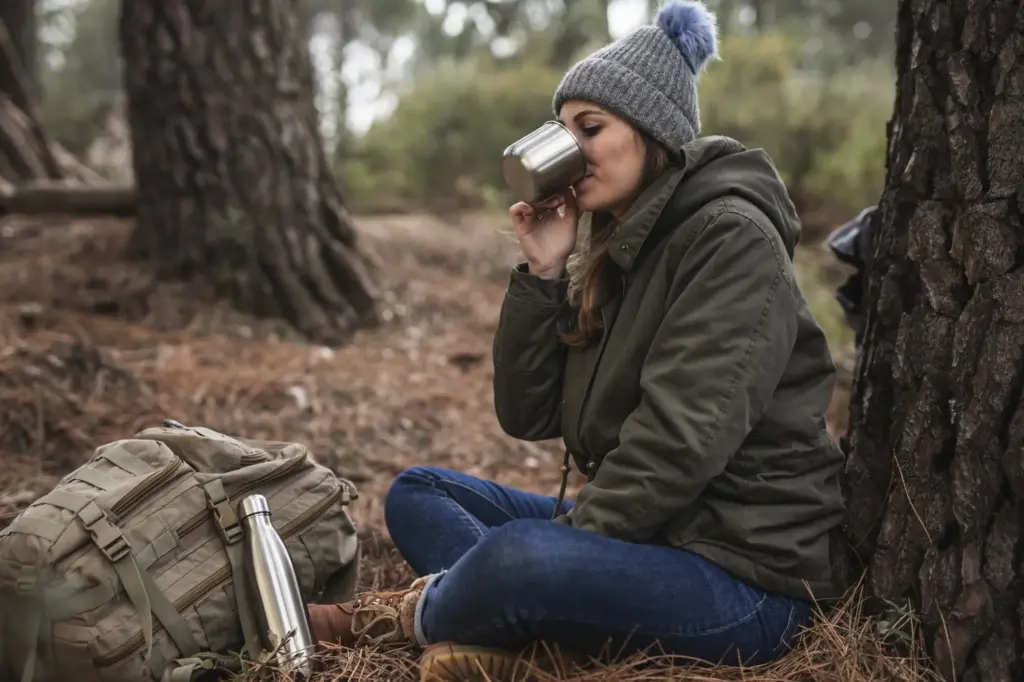
Once you’ve reached the gateway station, thoughtful last-mile planning carries you the rest of the way. Mix national park shuttles, regional buses, trolley lines, and walkable lodging to keep costs down and spirits high. Many services are seasonal or weather-dependent, so always verify operating dates. With a short list of reliable options and backup rides, you’ll move smoothly from platform to pine grove every single time.
Tickets, Money, and Time: Make It Work
Value blooms when you pair flexible rail fares with well-timed local buses and smart lodging choices. Consider passes that bundle multiple segments, watch for advance-purchase discounts, and avoid expensive last-minute scrambles by reserving core legs first. Protect your itinerary with comfortable connection cushions. If a storm slows the rails, your budget and sanity stay intact because you already planned a friendly layover near the next morning’s departure.
Comfort, Safety, and Gear for Long Rides
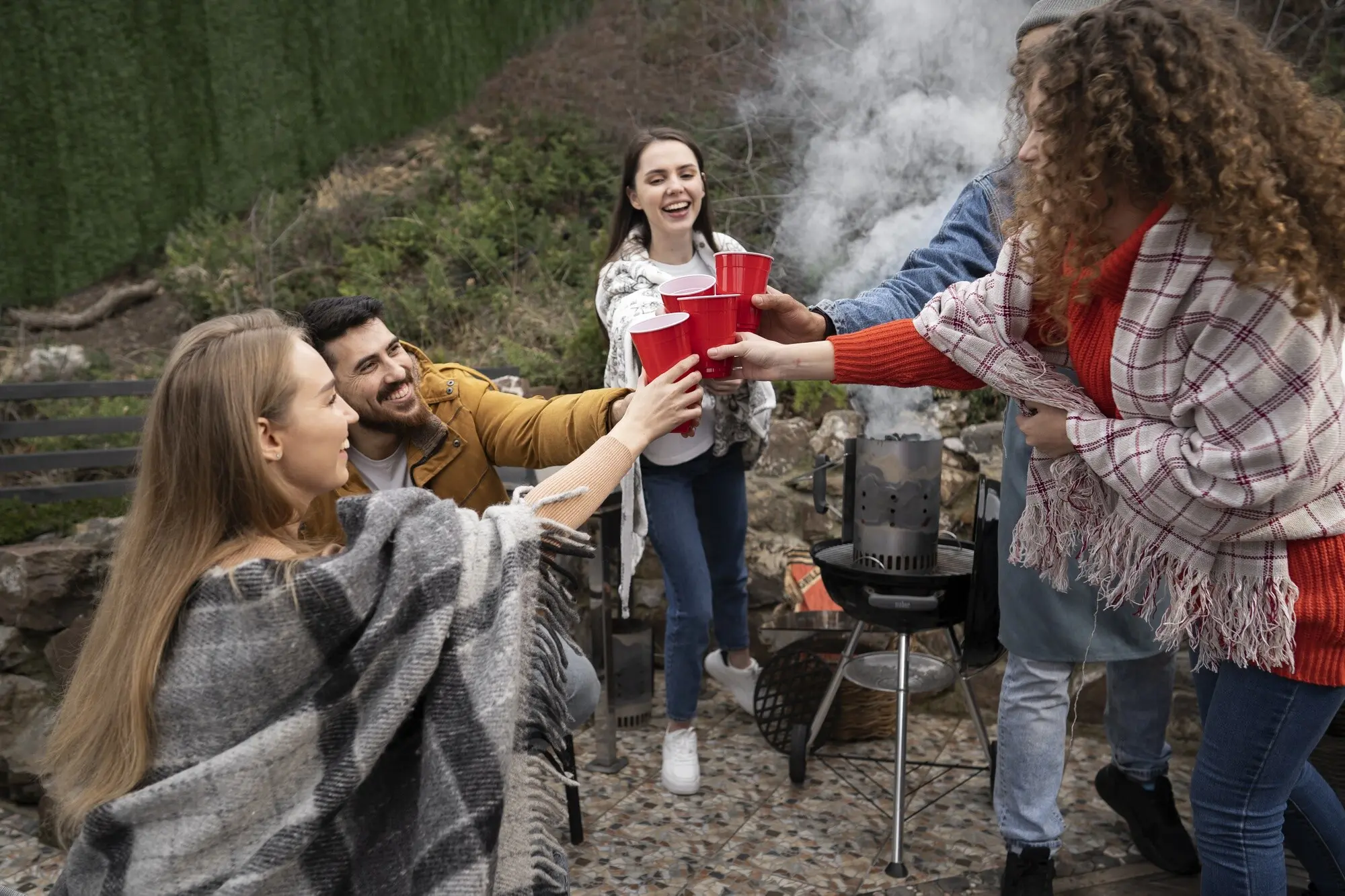
Set yourself up for happy miles with a compact kit, smart layers, and clear knowledge of what’s permitted onboard. Many trains allow generous carry-ons, but smaller buses can be stricter. Bear spray and fuel canisters are commonly prohibited; buy them near the park instead. Think comfort, too: supportive shoes, snacks, a neck pillow, earplugs, and a charged phone make night arrivals feel surprisingly restorative.
Stories and Inspiration from the Rails
Beyond schedules and maps, people remember small miracles: shared snacks, surprise wildlife sightings, and depot sunrises. These stories prove that car-free park travel is not only possible—it is profoundly satisfying. Read, borrow, then create your own chapter, and tell us about it. Drop a comment with your favorite route, subscribe for new itineraries, or ask a question so others can learn alongside you.
Sustainability and Accessibility on the Journey
Shared travel lightens footprints across fragile habitats, and well-designed systems welcome more people with different needs. Trains concentrate movement along efficient corridors, while shuttle networks protect wildlife and air quality in busy valleys. Many services offer wheelchair access and priority seating. Your choices echo beyond a single trip, supporting sustainable infrastructure and making it easier for everyone to reach these astounding public lands gracefully.