



Parks Within Reach: Enjoying Nature Without Driving

Today we shine an accessibility spotlight on planning mobility-friendly park visits without driving, guiding you from doorstep to trailhead using transit, paratransit, shuttles, rideshares with wheelchair access, and safe walk or roll connections. Expect practical checklists, empathetic stories, and strategies that respect energy, comfort, safety, and joy. Real voices, small victories, and inclusive planning tips come together so you can explore green spaces confidently, independently, and with supportive companions.

Door-to-Park Journeys Without a Car

Arriving smoothly starts long before you see trees. Compare routes with accessible planners, note level-boarding stops, and confirm elevators are working. A little recon call to the park office can reveal step-free entrances or seasonal shuttles. Choose off-peak times for quieter buses, more space, and calmer transfers. Bring a flexible mindset and a backup plan, because switching to a different bus, route, or pickup point can turn a near-miss into an easy arrival.

Public Transit That Truly Works

Use agency trip planners that flag low-floor buses, working station elevators, and level platforms. Build in buffer time between transfers and favor stops with shelters and seating. If you use a mobility device, confirm ramp deployment policies and operator assistance expectations. Download offline maps before you leave, and subscribe to elevator or service alerts. When possible, test a short practice run a day earlier to learn landmarks, curb cuts, and the best side of the bus for boarding.

Paratransit and On-Demand Options

If you are eligible, schedule paratransit early, confirming pickup windows, return times, and any door-to-door assistance. Many cities now run microtransit that accepts mobility devices and offers same-day booking. Explore rideshares with wheelchair-accessible vehicles, noting surge pricing times and designated pickup zones near park gates. Save dispatcher numbers and vehicle descriptions. A laminated card with precise drop-off instructions, including nearest step-free entrance, reduces confusion and stressful circling.

Step-Free Paths and Smart Wayfinding

{{SECTION_SUBTITLE}}

Reading Maps and Access Guides Like a Pro

Look for symbols noting firm, stable surfaces, width minimums, cross slope, and designated accessible viewpoints. Confirm gate widths, boardwalk transitions, and bridge lips. Park PDFs often include benches and gradient profiles—use those to plan rests. If gradients are listed vaguely, call and ask for maximum slope in percentages. Where maps are outdated, check recent trip reports and community forums for photo evidence and detours that keep your route step-free and enjoyable.

Surfaces, Slopes, and Stamina

Even modest slopes add up, so favor gentle grades and steady traction. Packed fines or asphalt roll easier than loose gravel; boardwalks can be lovely but get slick when damp. Plan your direction to descend steeper segments and avoid energy spikes. Schedule short, predictable rests before you feel strain. If you push manually, consider gloves for grip; if powered, budget battery for climbs. A comfortable pace makes scenic overlooks feel close rather than distant.

Comfortable Movement: Aids and Gear That Help

The right setup reduces friction and expands possibilities. Whether rolling, walking with support, or mixing both, choose reliable devices and bring simple backups. A rider once shared that adding gel grips and a small anti-tip wheel turned a bumpy boardwalk into a breeze. Balanced packing, thoughtful charging, and a just-in-case toolkit prevent tiny snags from shortening a beautiful afternoon among trees, birdsong, and laughter.

Facilities That Keep You Going

Predictable access to restrooms, water, and seating turns a good plan into a great day. Scout family and companion-care restrooms, door widths, grab bars, and turning space. Confirm sinks and dryers reachable from a seated position. Identify picnic areas with firm surfaces and tables with knee and foot clearance. Map refill stations, shade shelters, and wind breaks. When bodies and needs are honored upfront, the park welcomes everyone with comfort, dignity, and ease.

Safety, Contingencies, and Peace of Mind

Prepared visitors feel freer to explore. Build a simple safety plan: contacts, medications, energy pacing, and clear check-in times. Download trail maps for offline use and set your phone to loud for emergency alerts. If traveling with companions, assign roles gently. A whistle, small first-aid kit, and backup light can turn a worry into a non-event. Thoughtful readiness lets you savor birdsong and laughter without a cloud of what-ifs hovering overhead.

Preparing for the Unexpected

Save ranger station numbers, park coordinates, and nearest accessible entrances in your favorites. If available locally, know how to text emergency services. Establish a meetup point if devices die or signals fade. Keep medications in original containers and set alarms for dosing. Photograph IDs and permits in case wallets misplace. Practicing a calm, step-by-step response to detours or elevator outages makes real situations feel smaller and more manageable when they arise.

Energy, Pain, and Gentle Pacing

Honor the body you bring today. Plan short loops with optional add-ons and celebrate early turnarounds as wise, not failed. Use timers for proactive rests, not just reactive stops. Schedule stretches, hydration breaks, and snack moments that maintain steady comfort. If pain or fatigue rises, switch surfaces, adjust cushions, or alter push technique. Remember that one beautiful overlook enjoyed with ease beats three rushed viewpoints that leave you drained and discouraged.

Service Animals and Supportive Etiquette

Confirm water access, shade, and relief areas for service animals. Pack collapsible bowls and cooling gear. Practice cueing around wildlife and narrow boardwalks. For companions, learn respectful assistance—ask before helping, match pace, and keep chatter calm on technical segments. If you encounter curious strangers, a simple, friendly boundary often preserves privacy. When everyone’s roles are understood, animal and human partners move with quiet confidence and shared attention to comfort and safety.

Going Together: Inclusive Companions and Community

Shared outings feel richer when everyone’s needs are named and welcomed. Set intentions together, align on routes, and decide signals for breaks or reroutes. Let each person choose moments to lead. Capture small wins—a smooth transfer, a shaded picnic, a spontaneous photo under glowing leaves. Afterward, trade notes about what worked and what you would tweak, so the next visit starts wiser, kinder, and even more joyful for your whole crew.

Plan Kindly, Move Kindly

Begin with a check-in about comfort, goals, and energy for the day. Agree on a no-rush pace and natural stopping points. Share location with trusted contacts. Encourage honest feedback during the visit, not only afterward. Validate each person’s preferences about crowds, noise, and terrain. Kindness turns minor snags—like a missed bus or steep spur—into collaborative puzzles that deepen trust, laughter, and confidence while keeping the outing focused on shared ease and delight.
Share Roles Without Stress

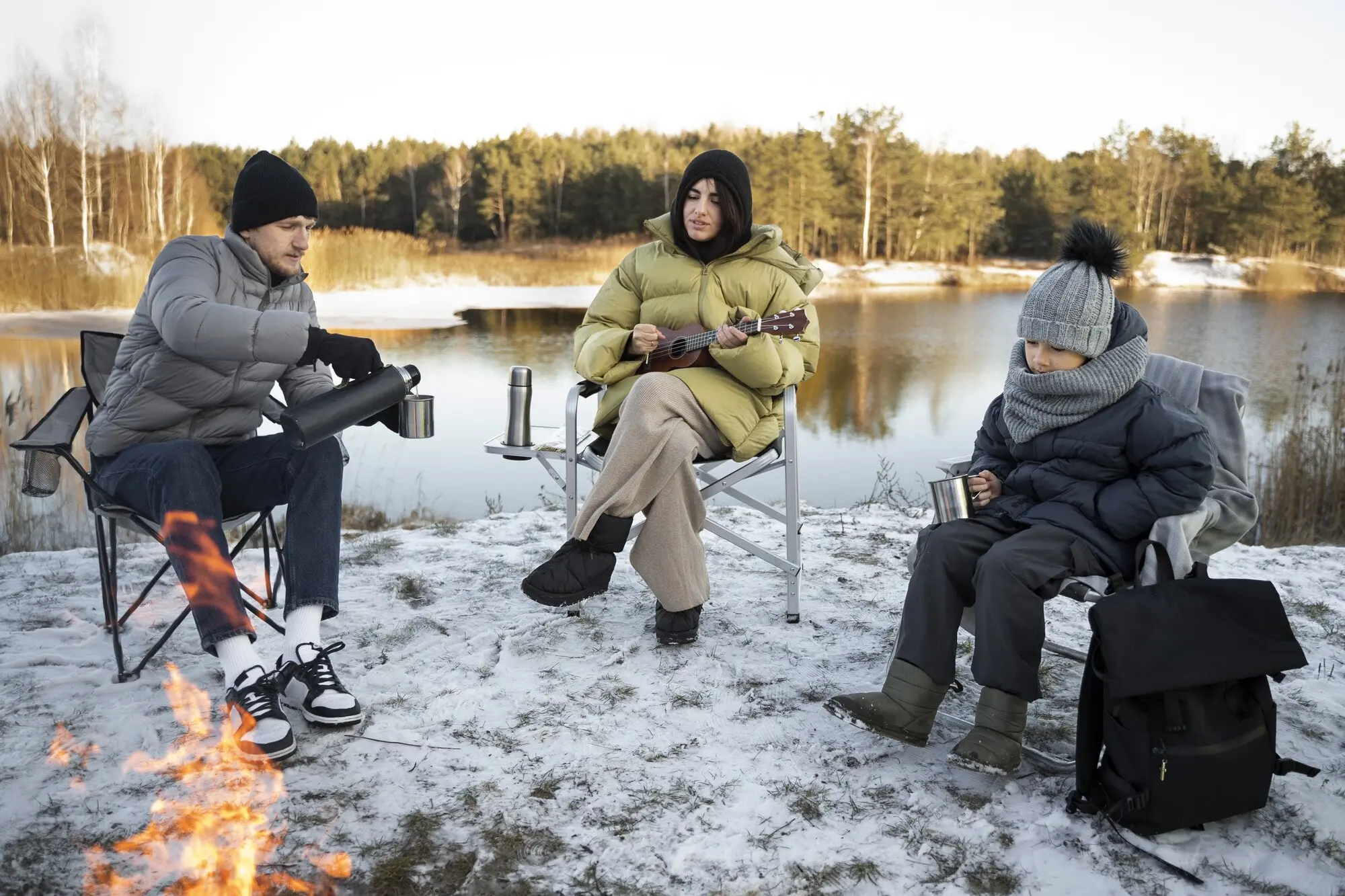
Distribute small tasks: one person tracks service alerts, another manages snacks and refills, someone else scouts seating. Rotate roles so no one burns out. Agree in advance about photographs and privacy. When responsibilities are clear but light, there’s more room for spontaneity—an unexpected bird sighting, a calm detour to a garden bench, a longer pause at a lakeshore. Collaboration keeps energy even and helps every person feel essential to the experience.

Tell Your Story, Improve the Next Visit

Share a quick note with park staff about barriers you met and great touches that helped. Post tips to community groups to guide others—step-free entrances, quieter hours, or overlooked benches with gorgeous views. Consider joining accessibility volunteer days or advisory circles. Subscribe for updates here, comment with questions, and request deep dives on routes in your city. Your feedback shapes future guides, sparks improvements, and helps more visitors say yes to nature.